Field notes: the half circle that looked fine from the road
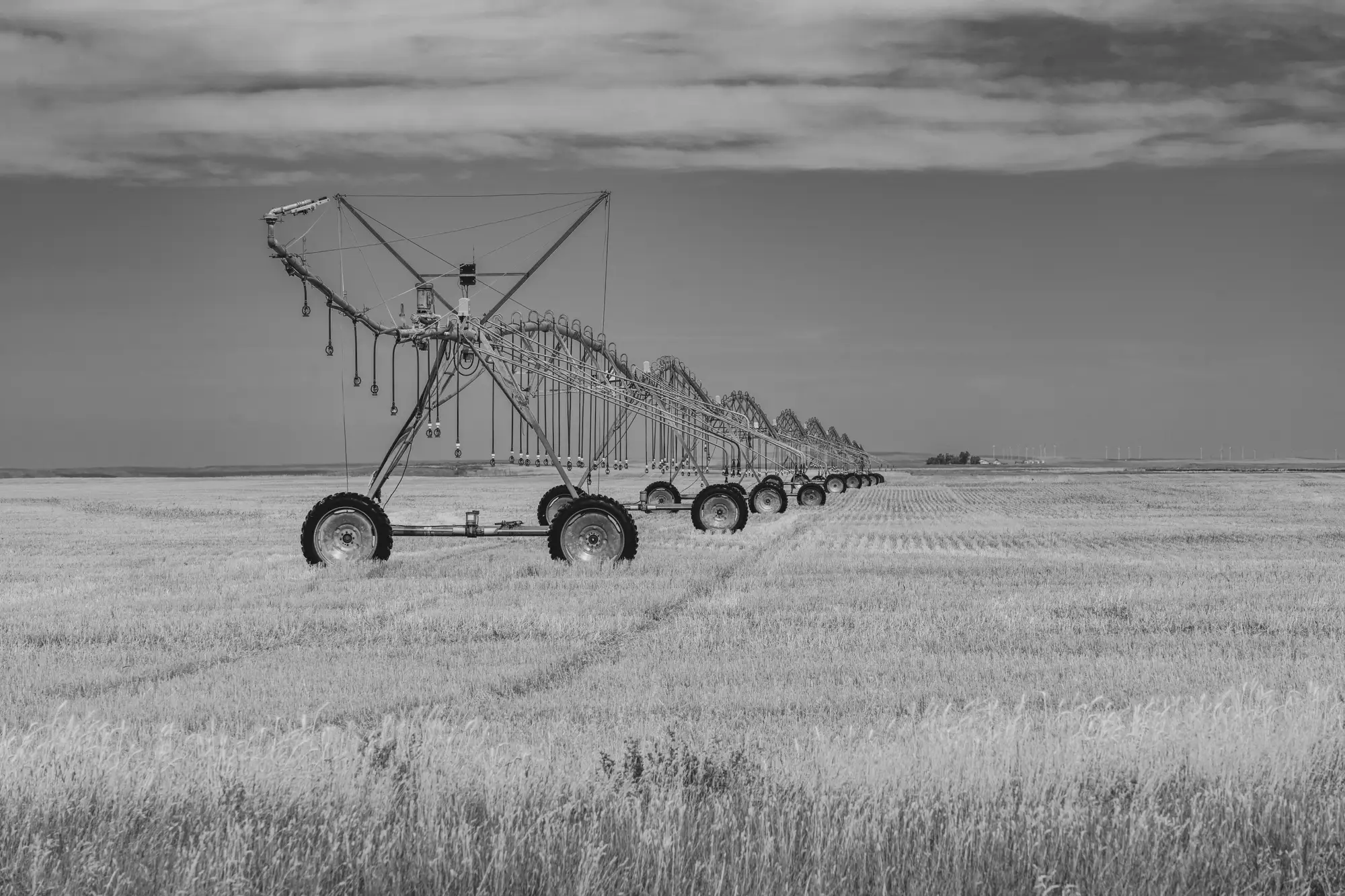
We got a call in late July about a pivot on the north end of the district, the kind of call that starts with "it's probably nothing" and ends with somebody standing in a dead strip of corn wondering how long it's been like that.
The field engineer who caught the call had driven past that pivot twice that week. From the road, at forty-five miles an hour, the half circle looked fine. Green out to the tower, green past it, the usual silage color at the pivot point where the soil stays wet longest. Nothing waved a flag. He had six other circuits to check that day and a shop problem waiting on him back at the yard, so he kept driving.
Turned out the back half of that circuit, the part you can't see from the county road because a shelterbelt blocks the sightline, had been running about sixty percent of its design rate for close to three weeks. One of the end gun solenoids had failed open intermittently, which meant the last two towers were getting shorted every other pass depending on which way the wind was pushing drift that day. Not dry enough to brown off and announce itself. Dry enough to cost yield nobody would notice until the combine came through and that sector ran four, five bushels light compared to the rest of the field.
This is the thing about driving the circuit. You're checking the geometry you can see, and pivot geometry has blind spots built into it by design. The near side faces the road. The far side faces whatever's behind it, a windbreak, a neighbor's stubble, a ditch bank. You can drive the perimeter and still only really inspect half the sweep on any given pass, and the half you're not seeing is just as likely to be the half with the problem, because nozzle wear and pressure drop don't care which side of the pivot point they're on.
The other thing is timing. A failed nozzle or a cracked gasket doesn't show up as a dry spot the day it fails. It shows up a week or two later, after the crop has burned through whatever soil moisture reserve it had. By the time you can see stress from the road, you're not catching a problem, you're confirming one that's already cost you two or three irrigation cycles. The sector report on that July pivot would have flagged the mismatch against expected moisture the first week the solenoid started acting up, not the third.
What stuck with the engineer afterward was simple: driving the circuit, there was no real chance of catching it. You can't eyeball application uniformity on a three-hundred-acre circuit from a truck window doing highway speed, and walking sectors on every pivot in the district every week would eat the whole season. Something has to be checking the back half of every circuit whether or not it's visible from where you happen to be standing.
That's the gap a weekly pass actually closes, not by replacing the drive-by but by telling you which half circles are worth stopping for before the crop tells you itself. If you're running enough pivots that you can't put eyes on every sector every week, Irrigation Monitor builds that comparison against each pivot's own geometry so the parts you can't see from the road don't get three weeks to become a yield problem.
Worth a look before next season's first full rotation.